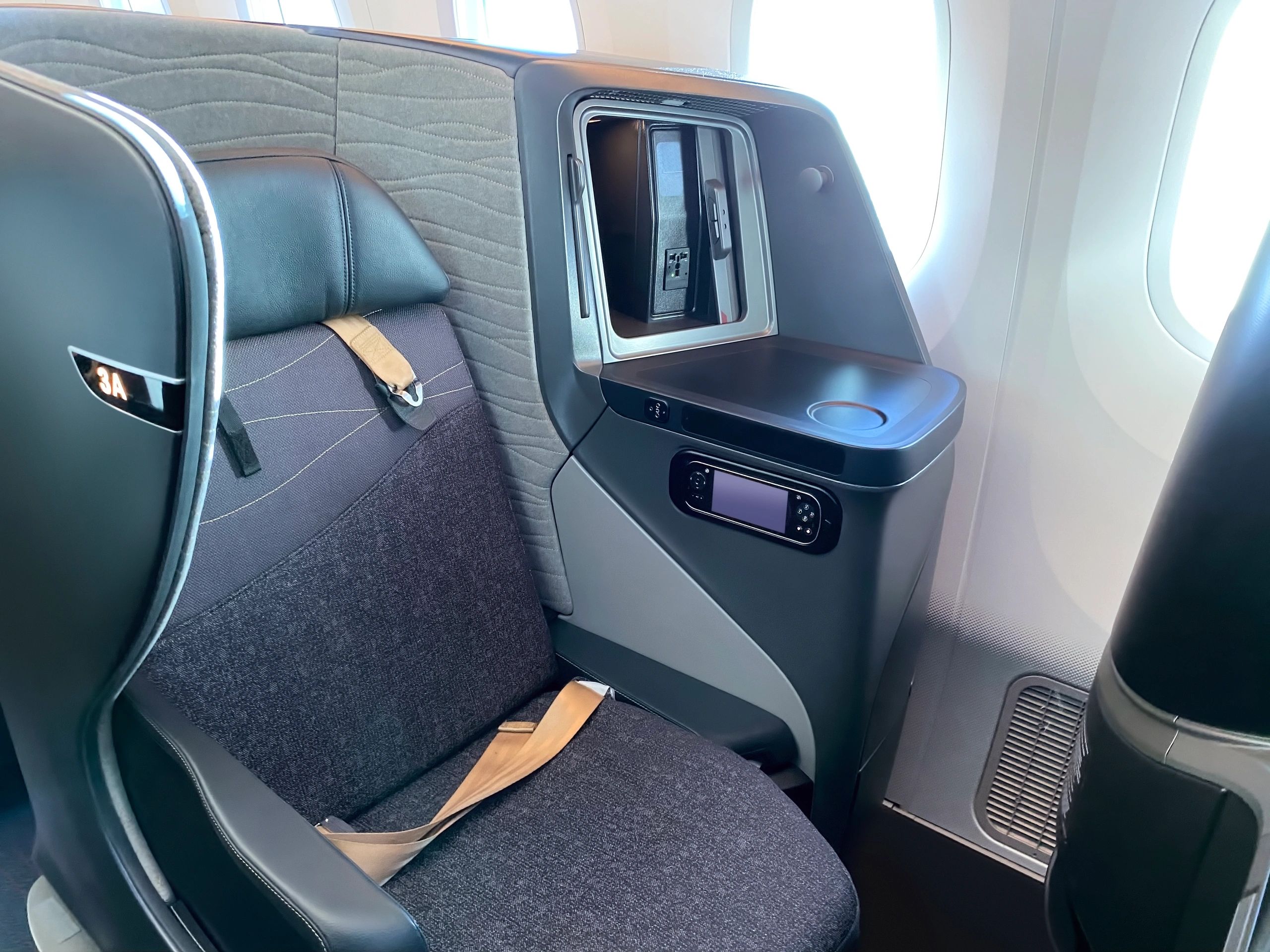
Delta SkyMiles has two different jobs: miles help pay for future travel, while Medallion Qualification Dollars, or MQDs, track progress toward elite status. Keeping those balances separate makes the program easier to use—and helps you avoid spending extra for a benefit you will not need. U.S. program rules checked October 27, 2026.
SkyMiles and MQDs are different currencies
Redeemable SkyMiles can be used for eligible award flights and other rewards. MQDs cannot be spent on a flight; they measure qualification for Medallion status. Earning miles does not automatically mean earning the same number of MQDs, and redeeming an award balance does not spend your status tracker.
Delta says SkyMiles do not expire, although account rules and closure provisions still apply. That removes a mileage-expiry deadline, not the risk that future awards may require more miles. Give your balance a purpose rather than accumulating it indefinitely.
How flight earning works
For eligible Delta-marketed paid flights, a general member typically earns 5 miles per dollar of base fare and carrier-imposed surcharges, excluding government taxes and fees. Medallion members earn more. Delta Main Basic fares do not earn redeemable miles or Medallion credit under the published rules.
Illustration only: $300 of eligible fare at 5 miles per dollar earns 1,500 SkyMiles. A ticket receipt totaling $350 does not necessarily mean all $350 earns at that rate. Partner flights and exception fares can use different calculations; check the marketing carrier, ticketing airline and booking class before purchasing.
The Medallion ladder
For activity during the 2026 calendar year toward 2027 status, Delta lists Silver at $5,000 MQDs, Gold at $10,000, Platinum at $15,000 and Diamond at $28,000. The qualification period runs January 1–December 31; MQDs reset each year.
Eligible Delta SkyMiles Platinum and Reserve Amex products offer specified MQD benefits, subject to card rules. Those airline-branded cards are different from the American Express Platinum Card. Do not assume a card with Platinum in its name supplies the same status credit or lounge benefits as another product.
Booking with miles
Search the actual route, date, cabin and number of travelers before deciding what your balance can buy. Compare nearby dates and the cash price for a trip you would genuinely take. A seat for sale does not guarantee the award price or partner inventory you want.
Hypothetical example: if an acceptable flight costs $350 in cash or 25,000 miles plus $50, the cash avoided is $300. Dividing $300 by 25,000 and multiplying by 100 gives 1.2 cents per mile. That is a decision aid, not a fixed SkyMiles value or a current offer. Taxes and fees remain part of the award cost.
Partners and flexibility
Delta permits earning on eligible partner flights, but partner charts and fare exclusions matter. Do not assume a cheap partner ticket earns like a Delta-marketed ticket, or that another airline’s loyalty program can see the same award seats.
For many award itineraries originating in the U.S. or Canada, Delta permits changes or cancellation without a redeposit/change fee outside excluded Basic fares; mileage differences and other conditions still apply. Other origins can have different restrictions. Read your exact award’s rules before payment.
Who should build a Delta strategy?
Start with the airports, schedules and destinations you use. A convenient nonstop may matter more than a theoretical redemption opportunity from a different hub. Treat upgrades, priority services and other status benefits as route- and fare-dependent rather than guaranteed cash savings.
Join, attach your number to eligible travel, keep receipts until earnings post and search award alternatives before transferring or buying miles. Pursue Medallion status only when the useful benefits on your expected trips justify the additional cost.
Official Sources
- Delta earning on flights
- Delta Medallion qualification
- Delta SkyMiles rules and award restrictions
- Delta airline-partner earning charts
Leave a Reply